
Classic Recipes
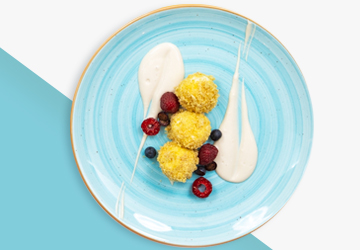
It is widely known that cottage cheese is rich in vitamins, minerals, and trace elements, but fewer people know that it can also help reduce anxiety. Lower-fat varieties fit easily into various diets, and it is also an excellent source of vitamin B12, supporting brain development and metabolism. Mixed into a cream and eaten with Abonett bread, it can even help lower cholesterol levels.

According to nutritional guidelines, we should eat seafood at least twice a week to ensure adequate omega-3 fatty acid intake. Fish are rich in this essential fatty acid, which helps prevent inflammatory processes in the body.
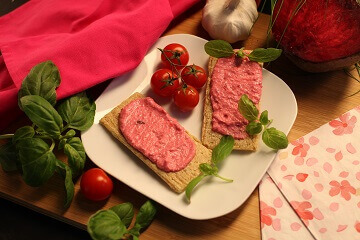
It has a high vitamin and mineral content including vitamins C and B, calcium, potassium, phosphorus, and iron which is particularly valuable in winter. Beetroot keeps very well, whether pickled or whole. Its iron content is highly bioavailable, making it especially recommended for those with anaemia. It can cause constipation, so those prone to it should consume it in moderation.
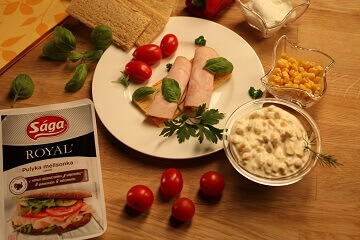
Yoghurt is one of the best things you can do for your gut, as it contains naturally occurring live cultures that nourish and support a healthy balance of gut flora. It can also be freely used in recipes as a substitute for sour cream a thicker yoghurt works as an excellent replacement, but with significantly less fat.
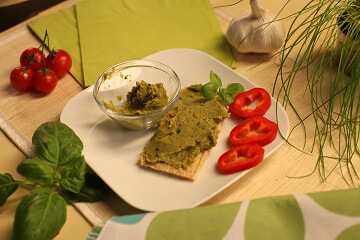
Green peas are rarely used outside of classic recipes, yet they have a beautiful colour and are highly nutritious. They don't have the high carbohydrate content of dried legumes, but they are rich in fibre, which benefits both digestion and blood sugar levels.

Aubergine can be a great favourite among those watching their weight, as 100 grams contains just 25 kcal, which is remarkably low. It makes an excellent side dish or main course, and as a base for spreads and creams it is one of the most delicious and lowest-calorie options available.

Eggs have always been a subject of debate. These days, a maximum of 6 eggs per week is recommended. The large amount of cholesterol found in eggs is concentrated in the yolk the white contains none. Eggs densely reflect whatever the hen has eaten, so it is worth paying attention to which eggs we use. Today you can find artificially "enriched" eggs on the market, such as high-vitamin-E eggs, where the hen's feed is supplemented with extra vitamin E, which then passes into the egg. It is worth choosing eggs from free-range hens, or better yet, organic ones as this ensures the feed itself is free from harmful substances.
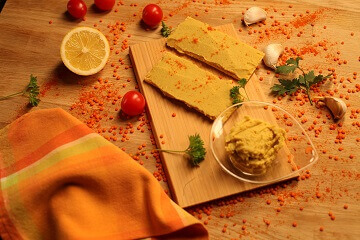
Once cooked, red lentils resemble yellow split peas more than lentils. They work wonderfully in salads, soups, or as a cream. Eastern spices pair particularly well with them. They cook in around 15–20 minutes, making them a practical choice. They are high in carbohydrates but also in fibre, which has a beneficial effect on blood sugar levels.
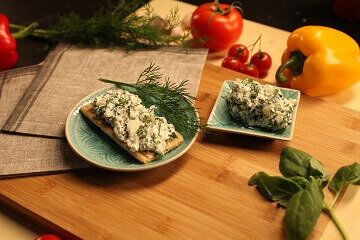
It was already used in ancient Egypt to aid digestion. In Chinese medicine it was recommended primarily for children, as its effect on the stomach is milder than that of caraway or anise.
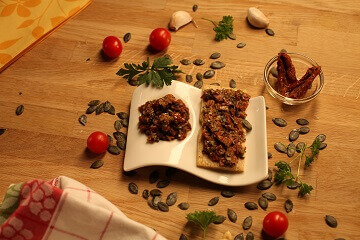
Pumpkin seeds are an oily seed, which already hints at their high calorie content but they are worth eating regularly, as they are exceptionally healthy. In men, they help maintain the health of the prostate and urinary tract.
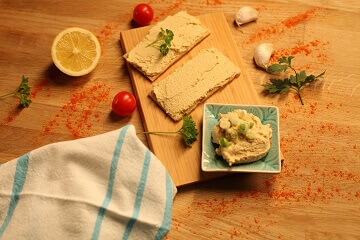
Chickpeas are the main ingredient in hummus. In folk language they are known as "owl peas." They may seem exotic here in Hungary, but in many countries they are as much a staple as bread is for us. They are high in both fibre and carbohydrates, and their protein content also makes them an excellent ingredient for athletes.

In Hungary, bell pepper is one of the most popular vegetables — and no wonder, as there are countless varieties and flavour profiles, so everyone can find their favourite. Red pepper and pimento are rich in potassium, calcium, phosphorus, beta-carotene, and bioflavonoids, which help the body defend itself against free radicals. Peppers are also an excellent source of vitamin C.
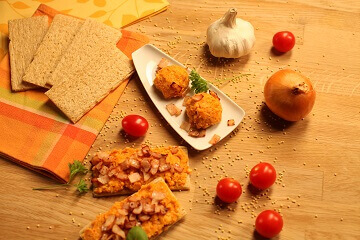
Rich in magnesium and, like most grains, B vitamins as well. An ideal food for vegetarians, as it is a good source of protein. Cook covered, stirring occasionally, for 15–20 minutes until tender. Can also be prepared with half water, half milk. It also makes an excellent base for desserts.
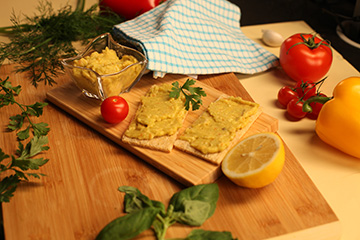
The avocado nearly fell victim to the fat-phobic diet trends of the 20th century. Fortunately, we've rediscovered this excellent fruit. It has a high oleic acid content (omega-9), which helps reduce cholesterol levels. Unfortunately, its cultivation requires clearing vast amounts of forest, making large-scale avocado consumption harmful to the planet.
